 Mobile networks
Guide
What are the different types of mobile operators in the UK?
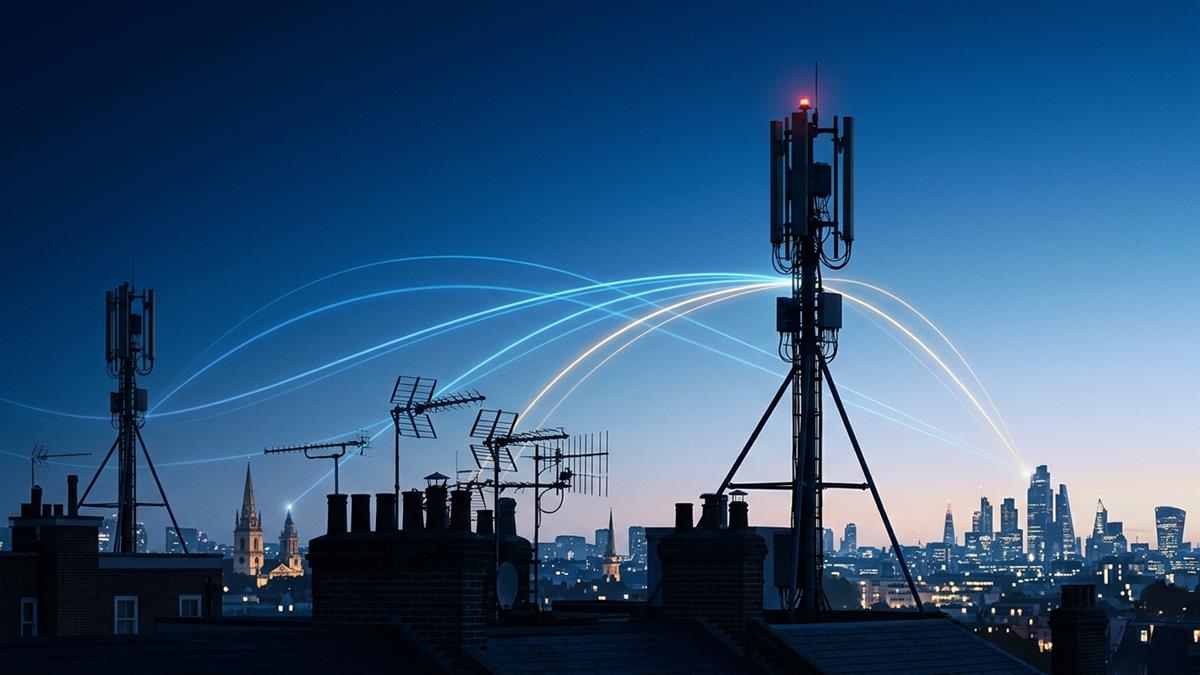
The UK mobile market looks crowded. Walk into a phone shop and you will see dozens of brands, each with its own plans, offers and mascots. Underneath that branding, the physical infrastructure is much simpler: four companies own and operate the main mobile networks, and most other brands buy access to those networks wholesale. Understanding the difference between a network operator and a reseller explains a lot about coverage, customer service and why two SIMs with similar prices can behave very differently.
This guide covers the four mobile network operators (MNOs), the mobile virtual network operators (MVNOs) that ride on their networks, and the practical questions to ask before choosing a provider in the UK.
The four physical mobile networks
The UK has four main mobile network operators. Each owns radio spectrum, runs its own core network and maintains the masts and backhaul that carry calls and data:
- EE - the largest network by coverage, formed from the merger of Orange and T-Mobile. It also runs the emergency services network and hosts several MVNOs.
- O2 - part of Telefonica's global business and now owned by Virgin Media O2. It hosts a large number of MVNOs, including Giffgaff and Tesco Mobile.
- Vodafone - one of the oldest UK networks, with its own national infrastructure and a wholesale business used by several virtual operators.
- Three - originally launched as a 3G-only network and now a major 5G operator. It merged with Vodafone's UK business in the mid-2020s, a change that is still working through the market.
These four companies compete for retail customers, but they also sell wholesale access to other brands. That wholesale layer is where most of the familiar "network" names you see on the high street actually sit.
What is a mobile virtual network operator?
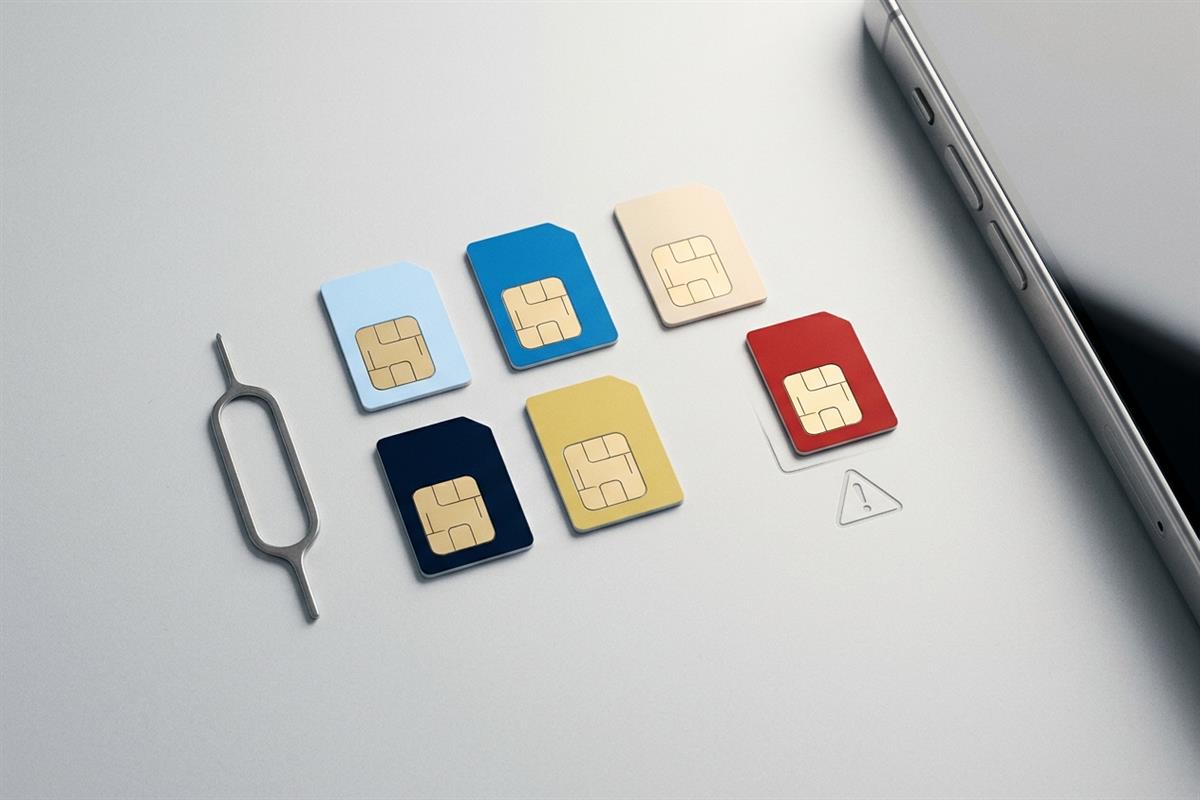
A mobile virtual network operator, or MVNO, does not own the radio network. It buys wholesale access from one of the four MNOs, then sells its own SIMs, plans and customer support under its own brand. Some MVNOs run a substantial part of the core network themselves; others are little more than a billing and marketing layer on top of the host.
Well-known UK examples include Giffgaff and Tesco Mobile on O2, SMARTY and VOXI on Three and Vodafone respectively, Sky Mobile on O2, Lebara and Lycamobile on Vodafone, Asda Mobile on Vodafone, iD Mobile on Three, and Talkmobile on Vodafone. The list changes as wholesale deals are renewed, so always check the host network for the specific plan you are considering.
The MVNO model is not new. It began in the 1990s as a way for brands with a large customer base to add mobile services without building masts. It has since become the main route for low-cost and niche providers, including community-focused brands, international calling specialists and supermarket bundles.
Full MVNO, light MVNO and everything in between
Not all MVNOs are equal. A full MVNO operates its own core network elements, such as home location registers and billing platforms, and buys only radio access from the host. This gives it more control over services, roaming and pricing. A light MVNO buys a managed wholesale package and has far less control; it may not be able to offer features like WiFi calling, eSIM or 5G at launch.
For a customer, the practical difference shows up in the details:
- Coverage follows the host network, but not always perfectly. A light MVNO may have access to fewer bands or no 5G at first.
- WiFi calling and VoLTE depend on the host's wholesale product, not just the brand's marketing.
- Roaming can differ substantially, even on the same host network.
- Customer support is the MVNO's responsibility, not the network's.
- Number portability works across all providers, but the process is handled by the receiving operator.
Check the host network before you switch
If coverage at your home or workplace matters, look up the host network's coverage map, not just the reseller's. A cheap plan on a network with no signal at your kitchen table is not a bargain.
How to tell which network you are actually on
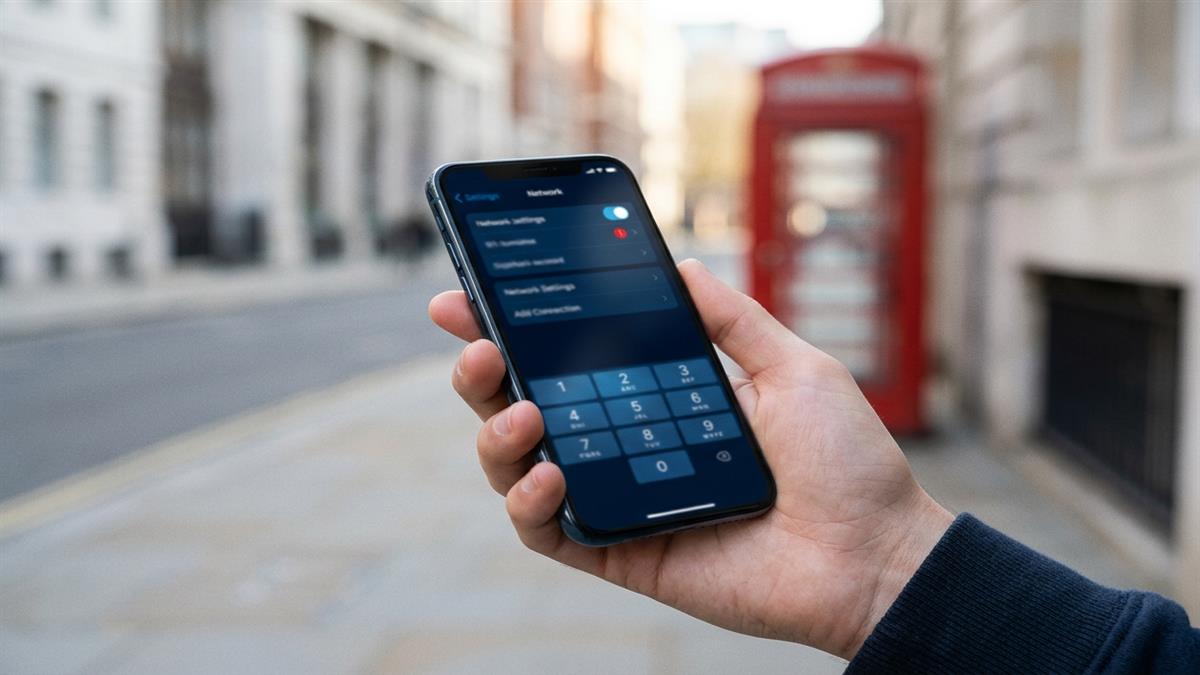
Your phone usually shows the host network name in the status bar, even when your SIM carries an MVNO brand. You can confirm it in several ways:
- Open your phone's settings and look at the carrier or network name.
- Check the provider app or your online account.
- Send a free text message to 611 where supported; the reply identifies your network.
- Look up the number's original allocation on a UK number lookup. Treat this as historical context, not proof of the current provider.
The last point matters. Mobile number portability has been available in the UK since the late 1990s, so a number can move between networks while keeping its original prefix. A lookup can tell you which network first held the range; it cannot tell you which SIM is active today. Our article on identifying a mobile operator from a number explains the difference in detail.
Who runs on whose network?
Wholesale agreements change, so treat this table as a guide rather than a permanent directory. The pattern is what matters: a small number of physical networks support a much larger number of consumer brands.
| Host network | Examples of brands that use it |
|---|---|
| EE | EE, BT Mobile, Plusnet Mobile, some supermarket and utility brands |
| O2 | O2, Giffgaff, Tesco Mobile, Sky Mobile, Lycamobile (varies by product) |
| Vodafone | Vodafone, VOXI, Talkmobile, Lebara, Asda Mobile |
| Three | Three, SMARTY, iD Mobile |
If you are checking a plan for a specific feature, confirm it with the provider rather than relying on the host network's own marketing. WiFi calling, 5G, eSIM support and roaming passes are often sold as separate wholesale products.
Why the UK market keeps changing
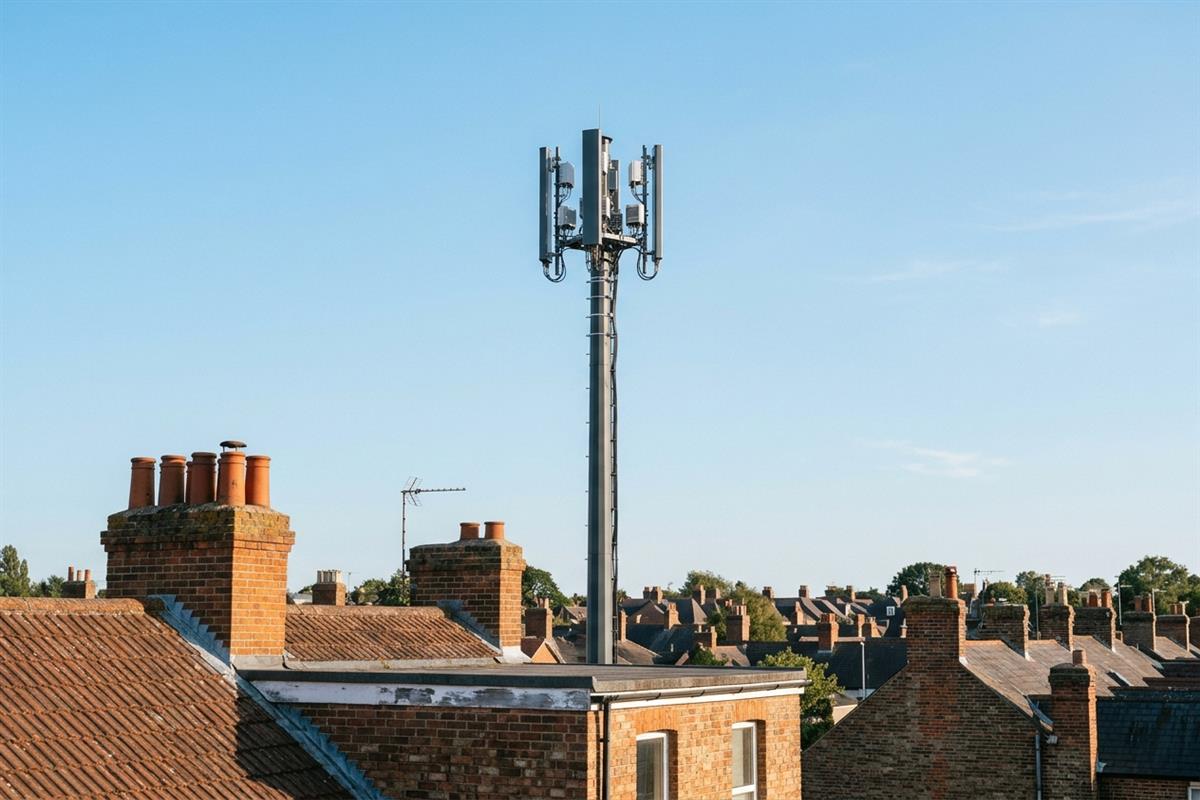
The UK mobile market has consolidated repeatedly. Orange and T-Mobile merged to form Everything Everywhere, which later became EE. O2 and Virgin Media combined. Three and Vodafone announced a merger of their UK businesses. Each change reshuffles wholesale deals, network sharing agreements and the brands that can offer particular features.
For consumers, consolidation can mean better coverage and faster rollout of new technology, but it can also reduce the number of independent retailers. It is one reason to check the current ownership and host network before signing a long contract.
What actually matters when choosing an operator
Price is only one variable. A practical comparison should cover:
- Coverage where you live and work - check the host network's map and ask neighbours.
- Indoor signal - a network that is strong outdoors can be weak inside older buildings.
- WiFi calling and VoLTE - essential if indoor coverage is patchy.
- Roaming - check the countries and fair-use limits that apply to your plan.
- Contract flexibility - 30-day rolling plans cost more per month but make switching easier.
- Support - read recent reviews for the specific MVNO, not just the host network.
- Number portability - confirm the provider supports PAC transfers before you buy.
Watch out for coverage claims
"Powered by" a major network does not guarantee identical coverage, 5G access or WiFi calling. The wholesale product can be narrower than the host's retail service.
The bottom line
The UK has four physical mobile networks and a long list of brands that resell them. The network determines the radio experience; the brand determines the price, support and feature set. If a call or number looks unfamiliar, the operator behind it is only part of the story - what matters most is checking the number itself and understanding any reports attached to it.
Use the UK number lookup to see the original network allocation for a number, then read our guide to identifying a mobile operator from a number and the explainer on recycled numbers if the history does not seem to fit.
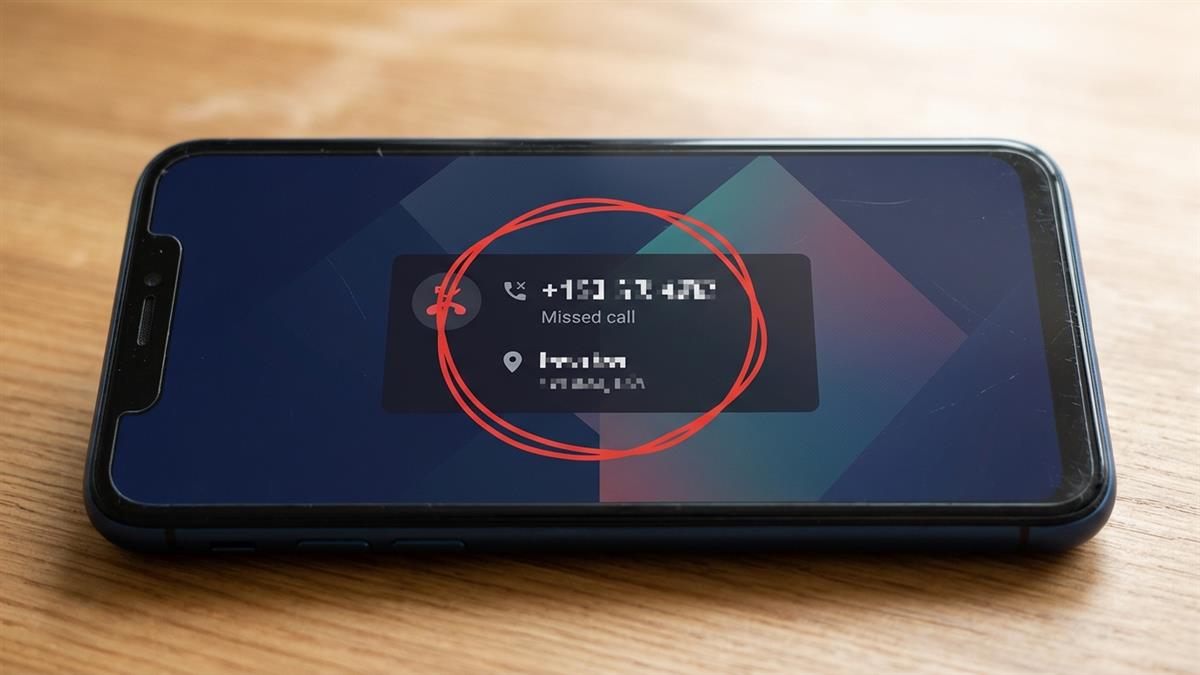
Before you act on a call: check the number in our
UK number lookup, never share a one-time code with a caller,
and use the protection guides if you are unsure.
 Frequently asked questions
How many mobile network operators are there in the UK?
There are four main physical mobile network operators: EE, O2, Vodafone and Three. Dozens of other brands are mobile virtual network operators (MVNOs) that use those networks.
Is Giffgaff a mobile network?
Giffgaff is an MVNO that runs on the O2 network. It sells its own plans and support, but the radio network belongs to O2.
Do MVNOs have their own masts?
Most do not. They buy wholesale access from a host network, so coverage follows the host network rather than the brand on the SIM.
Does the network on my SIM match the number prefix?
Not necessarily. Mobile number portability means a number can move between networks, so the original allocation in a prefix lookup is background information, not proof of the current provider.
 Related articles
All

 Check a number before you call back
You can also read the latest community reports, browse UK area codes or open the protection guides.