 Scam protection
Guide
How to stop nuisance calls in the UK

Nuisance calls are one of the most common complaints in UK telecoms, and they are rarely solved by a single action. The calls come from different sources: legitimate marketers who ignore preferences, overseas call centres, automated diallers, debt collectors and outright fraudsters. Each needs a slightly different response.
This guide sets out a practical plan that covers prevention, blocking, reporting and evidence, so you can reduce the volume without wasting time on routes that cannot help.
First, name the problem
- Marketing calls - sales, surveys, insurance, energy, solar, double glazing.
- Silent calls - a pause or dead air when you answer, usually from an automated dialler.
- Debt collection - calls about an alleged or genuine debt.
- Scam and fraud calls - impersonation, pressure, requests for codes or payments.
- Nuisance texts - spam or smishing messages, often from short codes or mobiles.
The category determines the route. The TPS handles legitimate UK marketing calls; the ICO handles consent breaches; Ofcom and your provider handle telecoms issues such as silent calls; Action Fraud handles fraud. Using the right route saves time.
The four-part plan
- Block and screen. Use your phone's blocking and spam tools, plus network-level filtering where available.
- Register with the TPS. The Telephone Preference Service is free and reduces legitimate UK marketing calls.
- Report the right problems. ICO for consent, Ofcom/provider for telecoms, Action Fraud for fraud.
- Keep evidence. A simple log of number, date, time and what was said makes every complaint stronger.

What the TPS can and cannot do
The Telephone Preference Service lets you opt out of unsolicited live marketing calls from UK organisations. Registration is free and usually takes up to 28 days to become fully effective. Once registered, a legitimate UK marketer should check the TPS before calling you.
The TPS cannot stop scam calls from abroad, automated silent calls, calls from organisations that ignore the rules, or calls where you have given consent. It is one layer, not a force field. If a marketer calls after you register, note the details and complain to the ICO.
Complaining to the ICO
The Information Commissioner's Office enforces the Privacy and Electronic Communications Regulations, which cover unsolicited marketing calls and texts. A complaint should include the number, the date and time, the company name if given, and what was said. The ICO can investigate organisations and issue fines, although it does not resolve individual compensation claims.
If you have evidence of a consent breach or a marketing call that ignored your TPS registration, the ICO is the right route. For a one-off call with no company name, a community report and a block may be more practical.
Ofcom, providers and silent calls
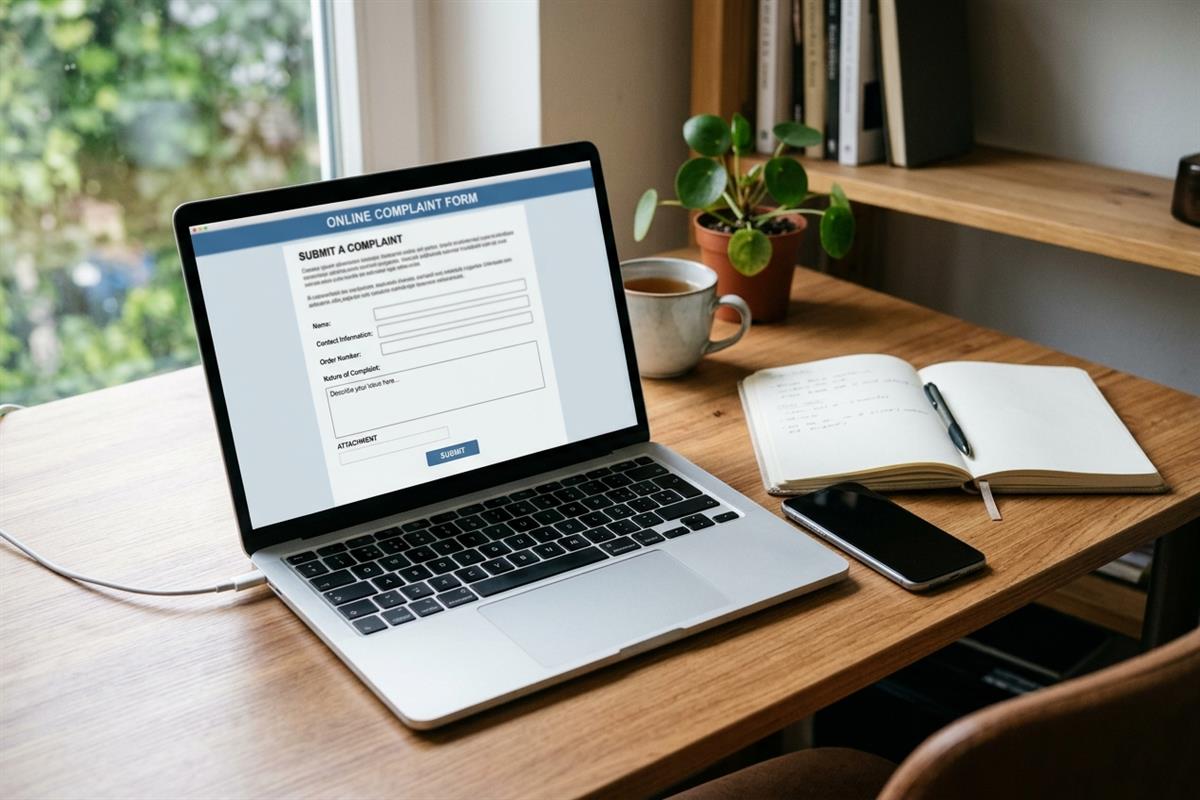
Ofcom regulates the telecoms market and publishes guidance on silent calls. A silent call usually happens when an automated dialler connects a call before an agent is available. The line goes quiet, the caller may hear background noise, and the call often ends abruptly. Your network provider may be able to apply a nuisance-call filter or investigate a pattern.
Report persistent silent calls to your provider and to Ofcom. The more detail you can give - times, frequency and whether the line was silent or played a recording - the easier it is to identify the source.
The consent rules worth knowing
UK marketing calls to individuals require consent unless a specific exemption applies. A company cannot rely on a pre-ticked box or a vague privacy policy to prove consent. If you have never heard of the organisation, it is reasonable to ask where it got your number and to withdraw consent.
You can withdraw consent at any time. Ask the caller to stop, note the date and complain if the calls continue. A legitimate organisation should action the request promptly.
Consent is not forever
Giving your number to one company does not give every partner in its group permission to call you. If you are unsure, ask for the source of the consent and record the answer.
Keep a call log
A simple note is enough:
| Field | Why it matters |
|---|---|
| Number | Identifies the source and supports blocking |
| Date and time | Shows patterns and supports complaints |
| Company name | Helps the ICO identify the caller |
| What was said | Evidence of marketing, pressure or fraud |
| Action taken | Shows you asked them to stop |
Protecting vulnerable people
Older relatives and people with cognitive impairments are disproportionately targeted by nuisance and scam calls. Practical steps include call screening, a shared family rule that no one shares codes or payments over the phone, and a list of trusted numbers. Our guide to protecting vulnerable individuals covers this in more detail.
If a vulnerable person has already shared bank details, contact the bank immediately. Banks have dedicated fraud teams and can sometimes stop or reverse payments if they are told quickly.
When to consider changing your number
Changing your number is a last resort. It disrupts contacts, accounts and verification codes, and the new number can end up on the same lists. Try blocking, screening, TPS registration and reporting first. If the calls are targeted harassment, the police and your provider should be involved before you change anything.
The plan in one page
- Block and screen on your phone; enable network filtering.
- Register with the TPS and allow up to 28 days.
- Report marketing breaches to the ICO, silent calls to Ofcom/provider, fraud to Action Fraud.
- Keep a simple log of every call.
- Protect vulnerable family members with screening and clear rules.
For number-specific evidence, use the UK number lookup and read the latest community reports. For blocking steps, see how to block spam and fraudulent numbers. For official routes, open the Ofcom and ICO reporting guide.
Before you act on a call: check the number in our
UK number lookup, never share a one-time code with a caller,
and use the protection guides if you are unsure.
 Frequently asked questions
Does the TPS stop all nuisance calls?
No. It stops many legitimate UK marketing calls, but it cannot stop scam calls from abroad, silent calls or calls made without consent checks.
How long does a TPS registration take?
Registration is free and usually takes up to 28 days to become fully effective.
Should I complain to Ofcom or the ICO?
The ICO handles breaches of consent and marketing rules. Ofcom looks at the telecoms side, including silent calls and provider behaviour. Use the route that matches the problem.
What details should I record?
Note the number, date, time, what was said and any company name or reference. Keep a simple log; it makes every complaint stronger.
 Related articles
All

 Check a number before you call back
You can also read the latest community reports, browse UK area codes or open the protection guides.