 Scam protection
Guide
Missed call from an unknown number? What to do next
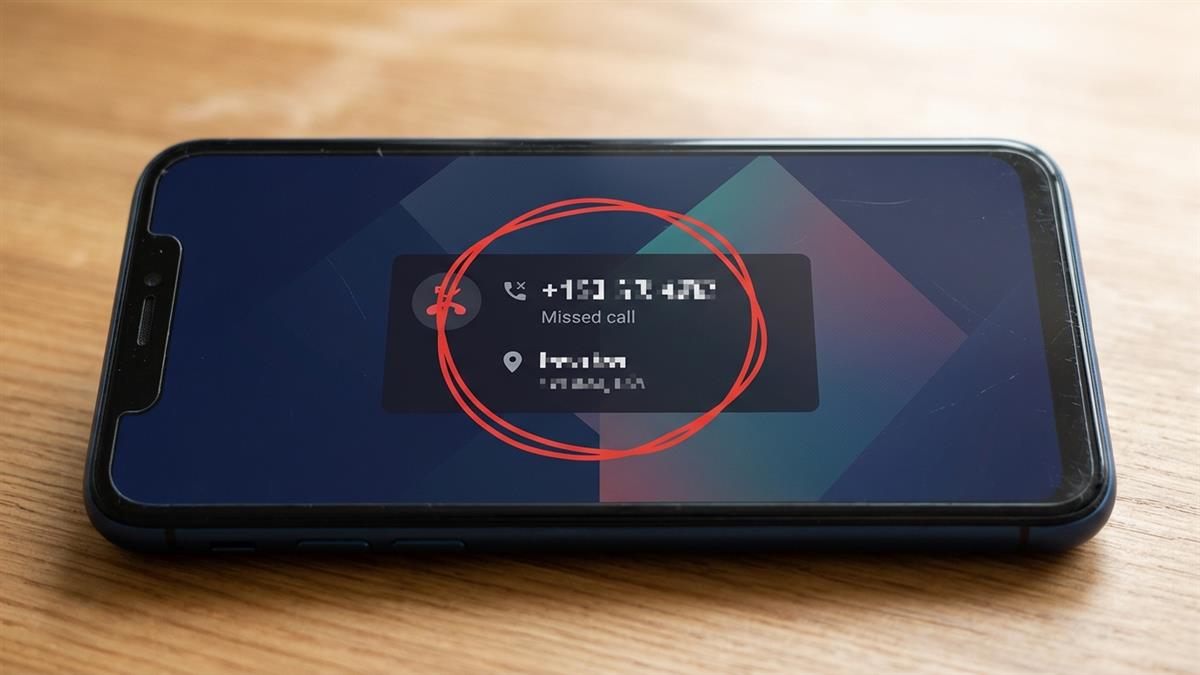
A missed call from an unknown number looks harmless. In most cases it is. But a call that rings once and stops, especially from an international or premium-rate number, is a recognised scam pattern. The fraudster is not trying to speak to you; they are hoping you will call back and pay for the privilege.
This guide explains how missed-call scams work, how to check a number safely and what to do if you have already called back.
The one-ring pattern
The scam is known as "wangiri", a Japanese term that means "one ring and cut". An automated system dials thousands of numbers, lets each ring once and hangs up. The missed call appears in your log, often from a number that looks plausible. If you call it back, you reach a premium-rate service, an international number or a recorded message designed to keep you on the line while charges build.
The cost is not usually enormous per call, but the scam works by volume. A small charge across thousands of callbacks adds up. The number may also be used to confirm that your line is active and answered by a real person, which makes your number more valuable to other scammers.
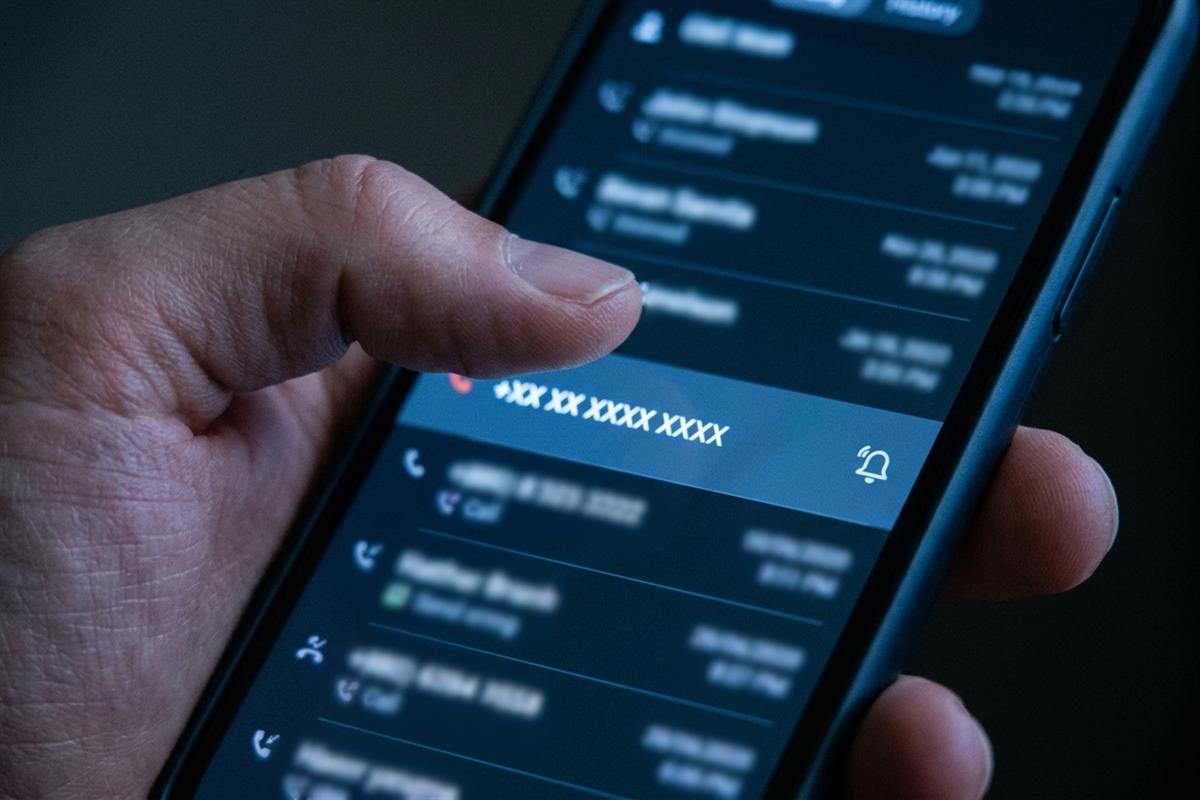
How to spot a risky missed call
- It rang once and stopped. Genuine callers usually ring for longer or leave a voicemail.
- The number is international or unfamiliar. Country codes you do not recognise deserve caution.
- It starts with 09. UK premium-rate numbers are charged above a normal call rate.
- It starts with 070. Personal numbering can hide the real destination and carry high charges.
- It arrives at an odd hour. Automated campaigns often run overnight.
- Several similar numbers call. A cluster of one-ring calls suggests an automated campaign.
What to do
- Do not call back. Check the number first.
- Look it up. Use the UK number lookup to see the number type, range and any community reports.
- Check the country code. If the number is international and you do not know anyone there, treat it as suspicious.
- Block the number. On iPhone or Android, block it from the call log.
- Report it. Report fraud to Action Fraud and tell your network provider if you see a pattern.
- Warn others. Add a community report so the next person sees the warning.
Do not "just check" a premium number
Calling a premium-rate or international number to hear who answers is exactly what the scam relies on. The charge can begin as soon as the call connects.
If you already called back
End the call, check your bill and contact your provider if the charge looks wrong. Ask whether a premium-rate bar can be added to your line. Report the number to Action Fraud and your network. If you shared any personal details during the call, treat it as a potential fraud and follow the advice in our scam tactics guide.
Do not panic about a single small charge. The more important step is to stop further callbacks and to avoid engaging if the number tries again.
When the missed call is genuine
Not every missed call is a scam. A hospital, school, courier, employer or garage may call once and leave no message because they are busy. If you are expecting a call, check the number, then call back through an official number you find yourself rather than the one in your log.
For a delivery, use the courier's app or website. For a hospital or GP, use the number on your appointment letter. For a bank, use the number on the back of your card. This habit removes the main advantage a scammer has: the number they supply.
Voicemail and texts
A missed call with no voicemail is weaker evidence of a genuine caller. A voicemail that asks you to call a premium number or press a key is a red flag. Treat automated messages that create urgency as suspicious until verified.
If a text arrives after the missed call, read it carefully. Smishing messages often contain a link, a short deadline and a request for personal details. Do not tap the link; open the organisation's app or type its official address instead. Our guide to finding out who called covers the wider routine.
A safe callback rule
Call back only when you can answer yes to all three questions:
- Do I know who the number belongs to, or can I verify it through an official source?
- Is the number a normal UK rate rather than premium or international?
- Am I calling to continue something I initiated, rather than reacting to pressure?
If any answer is no, do not call back. Block the number and move on.
The takeaway
A one-ring missed call is a prompt to check, not a prompt to dial. Look the number up, read the reports, and use an official number if you need to respond. The few seconds you spend checking are worth more than the cost of a premium-rate callback.
Check the number with the UK number lookup, then read how to block spam and fraudulent numbers if it keeps calling.
Before you act on a call: check the number in our
UK number lookup, never share a one-time code with a caller,
and use the protection guides if you are unsure.
 Frequently asked questions
What is a wangiri call?
Wangiri is a "one ring and cut" scam. The caller hopes you ring back a premium-rate or international number, which then charges you.
How can I tell if a missed call is premium rate?
Look up the number first. UK premium-rate services usually begin 09 and are charged above a normal call rate; international numbers can also carry high charges.
Should I call back an unknown number?
Only after checking it. If it is a legitimate organisation, find its official number on its website rather than using the caller-supplied number.
What should I do if I already called back?
Check your bill, contact your provider if the charge looks wrong, and report the number to Action Fraud and your network.
 Related articles
All

 Check a number before you call back
You can also read the latest community reports, browse UK area codes or open the protection guides.