 SIM & numbers
Guide
Can you reactivate an old SIM card with a new number in the UK?
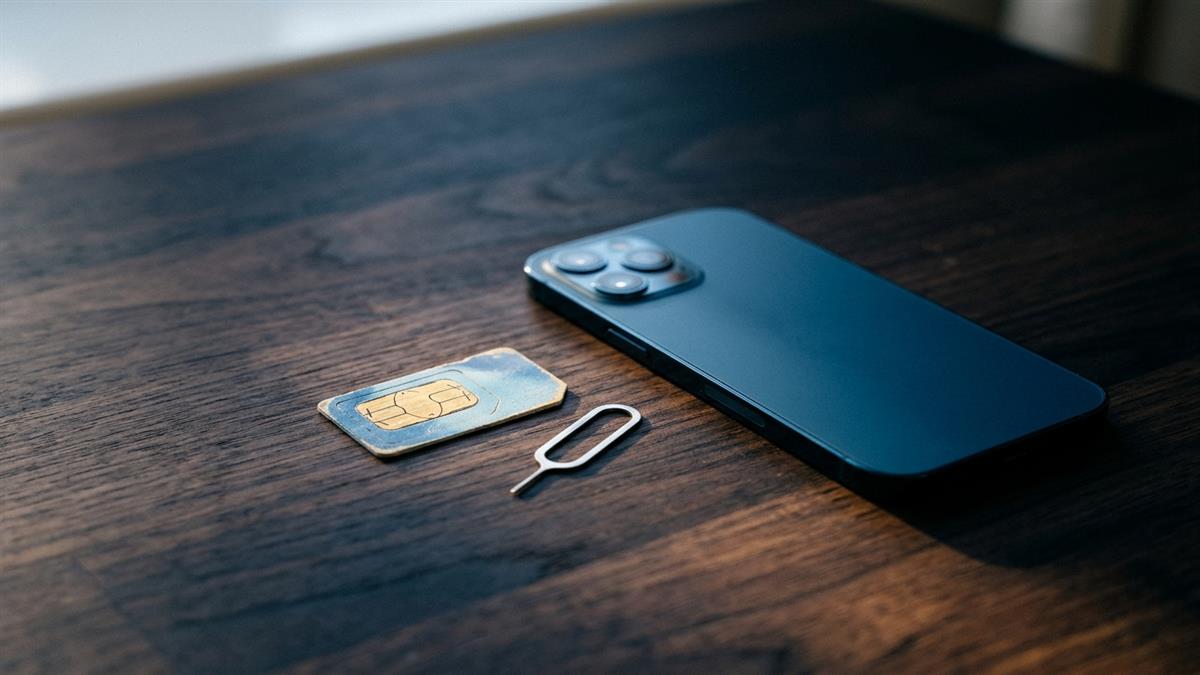
The short answer is usually no: you cannot take an old SIM card and attach a brand-new number to it. In the UK, a SIM is issued for a specific account and number, and providers generally supply a new SIM or eSIM when you start a new line. The plastic itself is not a blank container you can reprogram at will. There are, however, several related situations that people describe as "reactivating an old SIM", and each has a different answer.
This guide separates those situations, explains what UK networks typically allow, and shows the safe routes for keeping a number or starting fresh.
Why a SIM and a number are tied together
A SIM card holds an identity that the network uses to authenticate your line. It contains a unique identifier and the security keys that prove the SIM belongs to your account. The phone number is part of the subscription attached to that identity. Swapping the plastic into another phone does not change the number, and putting a new number on the old SIM would require the network to rewrite the subscription and re-issue the credentials. Most providers simply issue a new SIM instead.
That is why moving a SIM between phones works instantly, while moving a number between SIMs requires a provider process. The number belongs to the account, not to the piece of plastic.
What people usually mean by "reactivate"
- Recover a dormant account. The SIM is still valid, the number has not been recycled, and the provider can restore service after a top-up or payment.
- Replace a lost or broken SIM. The provider issues a replacement SIM or eSIM for the same number, usually for a small fee.
- Start a new line on an old handset. The phone is reused; the SIM and number are new.
- Move an old number to a new provider. This is a port, not a reactivation, and it uses a PAC.
- Reuse a SIM found in a drawer. This is the riskiest case and often impossible because the number has been recycled.
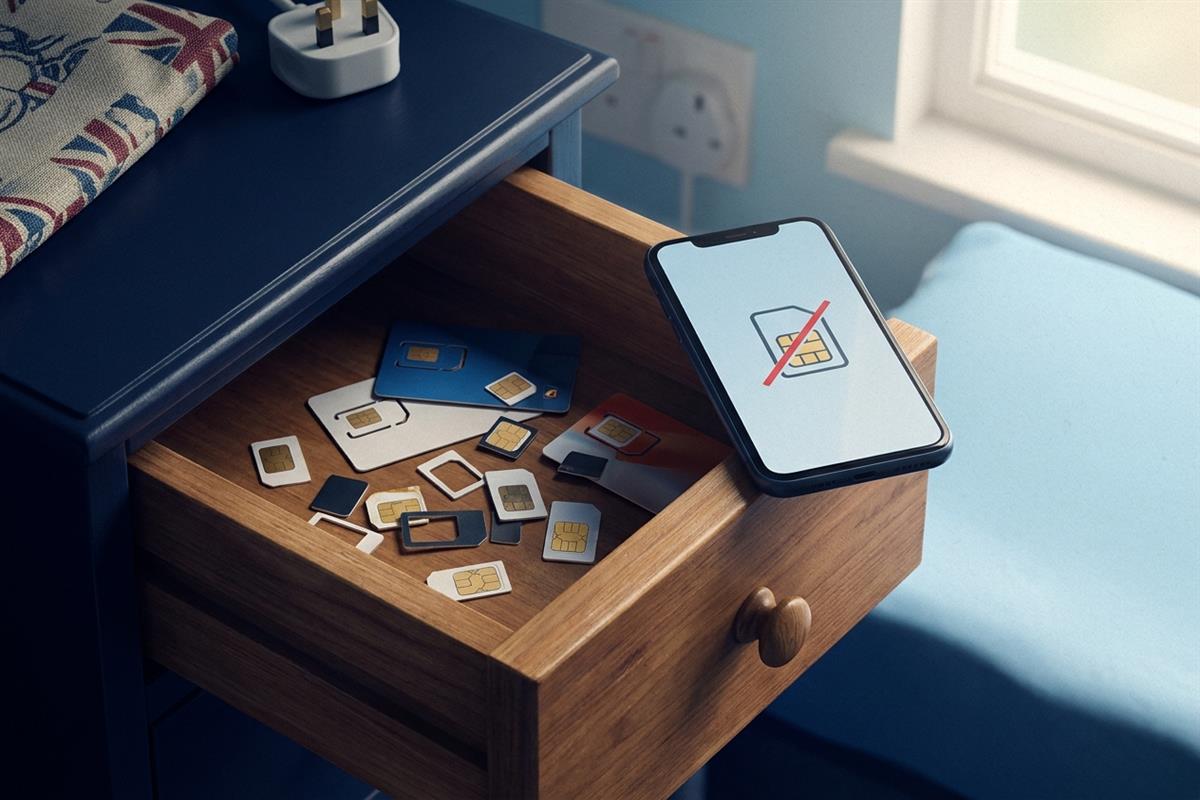
Dormant, deactivated and recycled: the difference matters
Providers use several states, and the words are not always used consistently:
| State | What it means in practice |
|---|---|
| Dormant / inactive | The line has had no chargeable activity for a while. Service may be suspended but the number can often be restored. |
| Deactivated | The subscription has ended. The SIM may no longer authenticate, and the number may be heading for recycling. |
| Recycled | The number has been returned to the pool and may be issued to someone else. It cannot be recovered by the old SIM. |
If the number is still recoverable, the provider may ask you to top up, pay an outstanding balance or verify your identity. If it has been recycled, no amount of reactivation will bring it back. Our article on how long a mobile number stays active explains the typical inactivity windows.
Getting a new number on the same handset
If your goal is simply a fresh number, the easiest route is a new SIM or eSIM plan. You do not need to involve the old SIM at all. Remove it, keep it somewhere safe until you are sure you will not need the old number, and activate the new line. Most providers offer a replacement SIM for a small fee, and many now support an eSIM that can be activated by scanning a QR code.
Before you discard the old SIM, check whether it is linked to accounts that use SMS verification: banking, email, social media, delivery services and government accounts. Losing access to the number can lock you out of those accounts. Update the number wherever it matters before the old line is closed.
Keeping the old number when you change provider
If you want to keep the number, do not cancel the old contract first. Request a PAC (Porting Authorisation Code) from your current provider and give it to the new provider within 30 days. The new provider arranges the transfer, and the old SIM stops working once the port completes. The number moves; the SIM does not.
If you want to leave without keeping the number, ask for a STAC (Service Termination Authorisation Code) instead. A STAC cancels the service and releases the number. Do not request a PAC and a STAC at the same time; they do different things.
Porting checklist
Keep the old SIM active until the transfer completes, confirm the port date, and test incoming and outgoing calls afterwards. If something goes wrong, the old provider is still your first point of contact.
Can a provider put a new number on an old SIM?
Some providers can reissue a subscription to an existing SIM in limited circumstances, usually when the SIM is already associated with your account and the number is a replacement for a lost or faulty line. It is not a standard consumer request, and it is not a way to recycle a SIM found in a drawer. If a provider agrees, expect identity checks and a new contract or amendment.
Third-party "SIM reprogramming" services should be treated with suspicion. A SIM's credentials are controlled by the network, and a third party cannot legitimately assign a UK number to it. If someone offers to do this, the offer is likely fraudulent or unlawful.
How eSIM changes the picture
An eSIM is a programmable profile rather than a removable card. It can be downloaded to a compatible phone and activated remotely. That makes replacing a lost SIM faster, but the same account rules apply: the eSIM is tied to the subscription and number. You still need the provider to issue a new profile or migrate the line.
If you are moving a number to a new phone, check whether the provider supports eSIM transfer. Some networks require a new QR code or app-based activation; others support a direct transfer between phones.
Second-hand SIMs and identity checks
Buying a used SIM from a market stall or online seller is risky. In the UK, SIMs must be registered to a customer, and providers are required to carry out identity checks for new subscriptions. A SIM that is already registered to someone else can expose you to fraud, account takeover and legal problems. Always buy from a legitimate provider and complete the identity process yourself.
What to do next
- Decide whether you need the old number. If yes, request a PAC before cancelling anything.
- Check whether the line is dormant or recycled. If it has been recycled, a new number is the only option.
- Ask the provider about replacement SIMs or eSIMs. Most can issue a new one for the same number.
- Update your important accounts before the old line closes.
- Dispose of the old SIM safely. Once the number has moved, the card is useless to you but could still be a security risk if it holds stored messages.
If you are unsure what a number is, look it up before you act. The UK number lookup can show the number type and any community reports, and the guide to recycled numbers explains what happens after a line is closed.
Before you act on a call: check the number in our
UK number lookup, never share a one-time code with a caller,
and use the protection guides if you are unsure.
 Frequently asked questions
Can I put a new number on an old SIM card?
Usually not. A SIM is tied to the account and number it was issued for. Most UK providers issue a new SIM or eSIM when you take a new number.
Can a deactivated SIM be reactivated?
Sometimes, if the account is still recoverable and the number has not been recycled. Once the number has been reallocated, the SIM cannot get it back.
How do I keep my old number?
Request a PAC from your current provider and give it to the new provider within 30 days. The number moves; the old SIM stops working.
What is the difference between a PAC and an STAC?
A PAC moves your number to a new provider. A STAC cancels the service without moving the number.
 Related articles
All

 Check a number before you call back
You can also read the latest community reports, browse UK area codes or open the protection guides.