 History
Guide
What is the oldest phone number still in use?
Asking for the oldest phone number still in use is a bit like asking for the oldest street name. The answer depends on whether you mean a subscriber number, a short code, a service number or a number that has never been disconnected. Telephone history is also poorly documented at the level of individual numbers: exchanges reused numbers, numbering plans changed, and operators did not keep public archives of who held which digits.
What we can do is trace the milestones that made numbers last, look at the services that have kept the same digits for generations, and explain why most ordinary subscriber numbers do not survive.
Before numbers: names, operators and wires
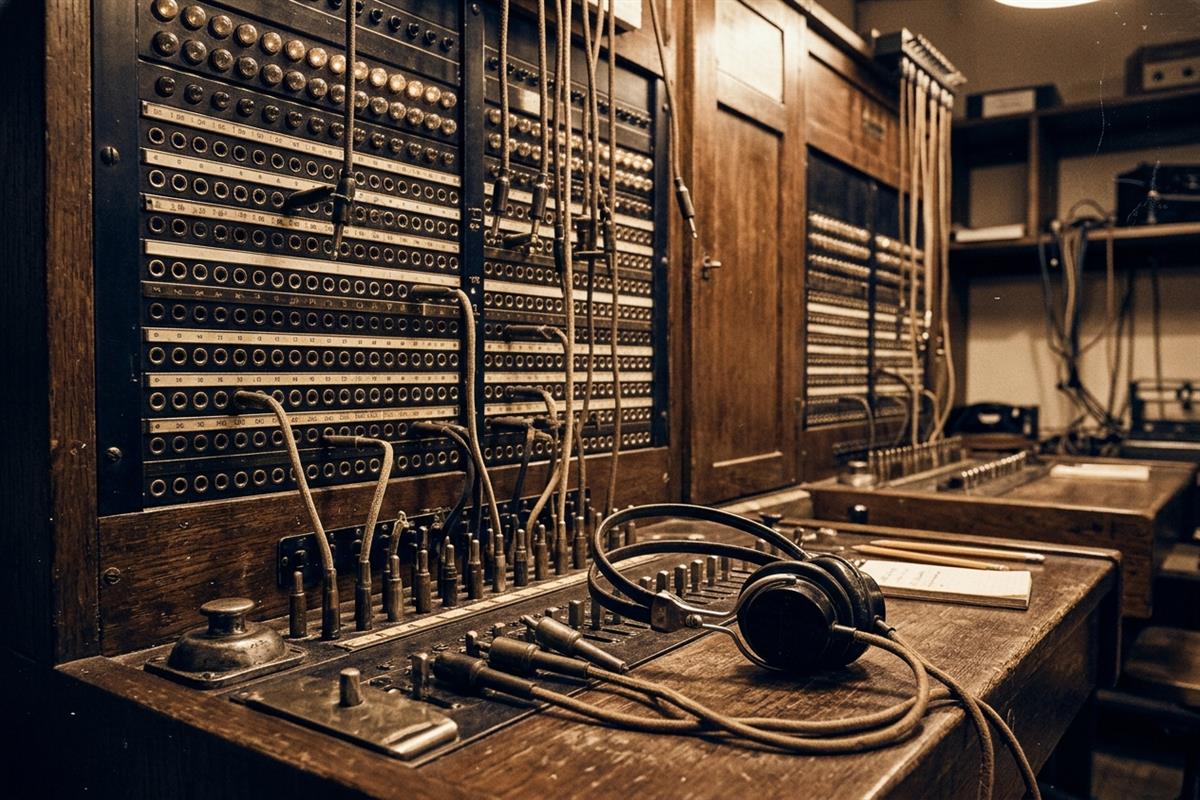
Early telephone networks did not use numbers at all. A caller picked up the handset, spoke to an operator and asked for a name or a location. The operator physically connected the call by plugging a cable into a socket on a switchboard. This worked because early exchanges served small numbers of subscribers who were often known personally.
As networks grew, names became impractical. Numbers allowed operators to route calls quickly and gave each subscriber a unique identifier. The shift from names to numbers was gradual, and some exchanges continued to use named positions alongside numbers for years.
The first telephone directory
The first telephone directory is usually dated to 1878 in New Haven, Connecticut. It was a single sheet listing subscribers by name and address rather than by number. Numbered directories followed as exchanges expanded. In the UK, early directories and exchange records were local, which is one reason a complete history of a single number is so hard to reconstruct.
By the early twentieth century, UK exchanges used a mix of letters and numbers to identify lines. The first two or three letters of an exchange name were followed by digits, a system that survived in some places into the 1960s and 1970s. The all-figure numbering we recognise today arrived with automatic exchanges and standardisation.
Short codes that have lasted
Short codes are the closest thing to a genuinely old "number" still in use. The UK emergency number 999 was introduced in 1937 and is still the number people dial in an emergency. The European emergency number 112 has been available alongside 999 for years. These are service codes rather than subscriber numbers, but they are among the longest continuously used digits in UK telecoms.
Other long-running services include directory enquiries and the speaking clock. Directory enquiries numbers have changed several times, and the old 192 service was replaced by commercial 118 numbers. The speaking clock has moved between short codes over the decades. Their histories illustrate a key point: even famous numbers can be renumbered when the network changes.
Why ordinary subscriber numbers rarely survive
A subscriber number can last a lifetime, but it is not designed to. Several forces work against permanence:
- Recycling. When a line closes, the number returns to the pool and can be reassigned. See what happens to old numbers.
- Renumbering. Area code changes and network migrations have moved millions of numbers.
- Business closures. A company's number may disappear when the company does, or be reused by an unrelated business.
- Portability. The number survives a change of provider, but the underlying line and owner can change many times.
That is why a number that feels "old" to you may be much younger than you think. It may have belonged to several people, and its current owner may have no connection to its history.
What counts as "still in use"?
There are at least four different questions hiding inside the headline:
- Oldest active subscriber number - a number assigned to a person or business and never disconnected. These are rarely documented publicly.
- Oldest service code - 999, 112, 101 and similar short codes. 999 dates to 1937 and remains in daily use.
- Oldest number still in its original range - a subscriber number that has never been ported or renumbered. Operators do not publish this.
- Oldest number in a museum or heritage collection - preserved lines and exchange equipment. These are historical artefacts, not active services.
The honest answer is that the first and third categories cannot be verified from public data. The second is documented and defensible. The fourth is interesting but not what most people mean.
Numbers that feel older than they are
Some numbers have a strong association with a place or institution, which makes them feel ancient. A famous hotel, a newspaper or a government office may have used the same number for decades. That continuity is real, but it is a run of assignments rather than a single unbroken line. The number may have been ported, renumbered or briefly reassigned during building works or a change of provider.
There are also myths about numbers that are said to be "the oldest in the world". Treat these claims with caution unless they come with an exchange record or an archive reference. Telephone history is full of local legends that collapse when you ask for the paperwork.
How to research a number's history
If you are curious about a specific UK number, start with what is publicly available:
- Numbering data. A lookup can show the range, type, area and original network allocation.
- Local archives. Some libraries and heritage groups hold old telephone directories and exchange records.
- Company histories. Businesses sometimes document their number changes in annual reports or local newspapers.
- Community reports. Recent reports tell you what the number is doing now, not what it did in 1950.
What you will not find is a public database of every owner a number has ever had. That information belongs to the operators and is not published. Anyone offering a complete history for a fee should be treated with scepticism.
A number is a label, not a monument
The digits can survive for decades, but the line, the owner and the network behind them can all change. Age is not a guarantee of authenticity.
The answer, in one paragraph
The oldest UK number still in everyday use is probably a service code rather than a subscriber line: 999 has been the emergency number since 1937 and is still dialled every day. Among ordinary phone numbers, continuity exists but is rarely documented, and recycling means that even a long-running number may have had several owners. If you want to know what a number is today, use the UK number lookup and read the latest reports rather than relying on its age.
Before you act on a call: check the number in our
UK number lookup, never share a one-time code with a caller,
and use the protection guides if you are unsure.
 Frequently asked questions
What was the first phone number ever used?
Early exchanges used names rather than numbers. The first telephone directory, published in New Haven in 1878, listed subscribers by name and address; numbered dialling arrived later.
Is 999 the oldest UK number still in use?
999 was introduced in 1937 and is one of the longest-running UK numbers, but it is a short code rather than a subscriber number.
What is the UK speaking clock number?
The speaking clock has historically been reached on 119 (and before that 8081 and 123). The service and its access number have changed over time.
Can a phone number really be traced back to the first owner?
Not through a public directory. Number histories are held by operators and are not published; recycled numbers can also have several owners.
 Related articles
All
 Check a number before you call back
You can also read the latest community reports, browse UK area codes or open the protection guides.