 Number lookup
Guide
How do I find out who just called me in the UK?
An unknown number on your screen is a small decision point. Answering could be harmless, or it could connect you to a scam. Calling back could resolve a delivery, or it could trigger a premium-rate charge. The good news is that a short, repeatable routine handles almost every situation without drama.
This is the routine we recommend: note the number, check it, read the result carefully, decide whether to engage and then block or report if needed. It takes about thirty seconds.
Step 1: note the number and the time
Before you do anything else, capture the number exactly as it appeared, the time of the call and whether it rang once, rang out or left a voicemail. If you answered, note what the caller said and any company name or reference they gave. This log is useful for every later step, including blocking and reporting.
If the call came from a withheld or private number, note that too. A pattern of withheld calls is itself useful evidence.
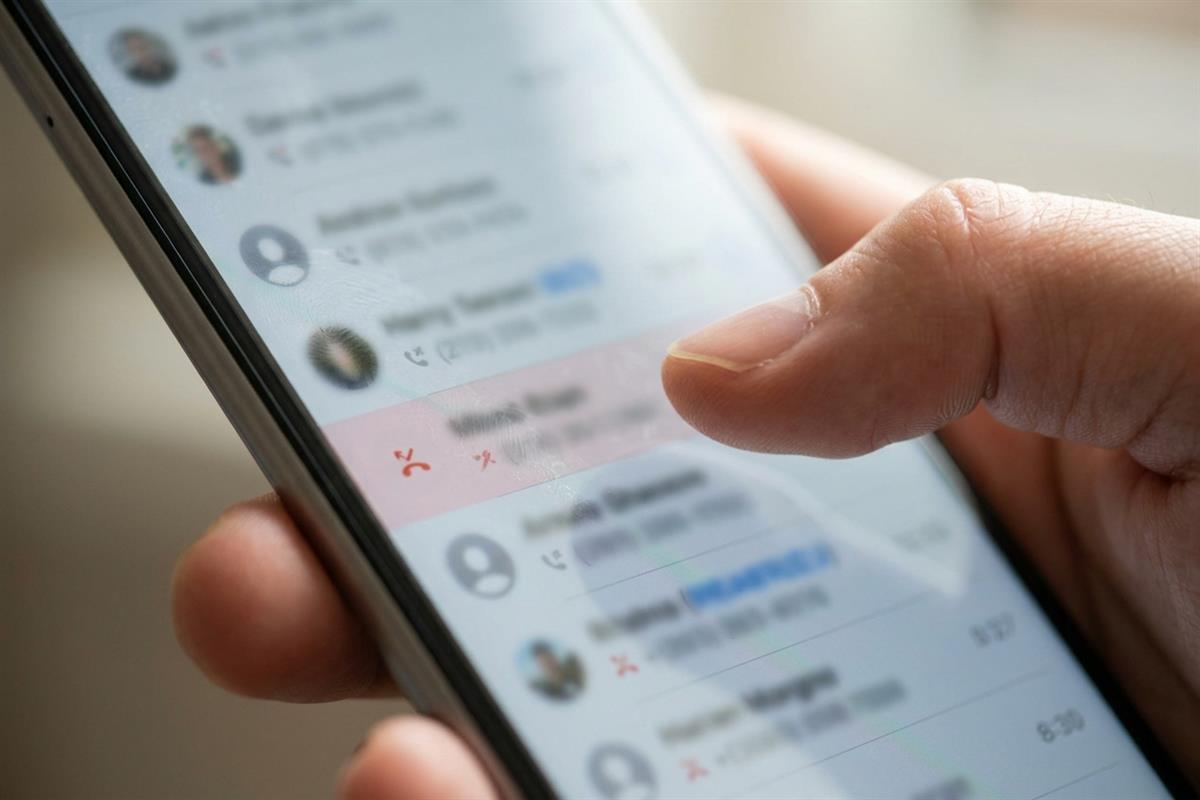
Step 2: check the number
Enter the number in the UK number lookup. The result will show the number type, the area or range, the original network allocation and any community reports. If the number has been looked up before, you may also see how often it has been searched.
Use the full national number where possible. A partial number or a number missing the leading zero can produce an inaccurate result.
Step 3: read the result correctly
A lookup is evidence, not a verdict. Read it in layers:
- Number type. A premium-rate 09 number deserves more caution than a geographic landline. A 070 personal number is not a normal mobile.
- Area and range. A number that claims to be local but sits in a distant range may be spoofed or virtual.
- Reports and dates. Recent reports are more relevant than old ones. Look for a pattern rather than a single comment.
- Risk indicator. Treat a high score as a reason to slow down, not a guarantee that the caller is a criminal.
- No reports. "No reports yet" means nobody has reported the number here. It does not mean the call was safe.
Absence of evidence is not evidence of safety
Scammers rotate numbers constantly. A clean lookup simply means the number has not been reported yet.
Step 4: decide whether to call back
Do not call back a number you do not recognise until you have checked it. If the lookup suggests a legitimate business, find the business's official number on its website and call that instead of the number that called you. Never use a number supplied by the caller to verify the caller.
If the call was a missed call that rang once and stopped, be especially cautious. One-ring scams rely on people calling back premium-rate or international numbers. Our guide to missed calls from unknown numbers explains how those traps work.

Step 5: block or report
If the number is a nuisance or a scam, block it using your phone's call settings. On iPhone, open the call in Recents, tap the information icon and choose Block this Caller. On Android, open the number in the Phone app and choose Block. Landline users can usually block the last caller with a network code or a call-blocking handset.
Reporting is separate from blocking and often more valuable. Register marketing calls with the TPS, complain to the ICO about consent breaches, report fraud to Action Fraud and tell your network provider about nuisance calls. Keep your log: the number, time and what was said makes every report stronger. Our reporting guide explains which route fits which problem.
What not to do
- Do not call back a premium-rate or international number to find out who it was.
- Do not share personal details to "verify" yourself with an unexpected caller.
- Do not read out a one-time code, even if the caller claims to be from your bank.
- Do not pay for a reverse lookup that promises an owner's name; the data usually does not exist publicly.
- Do not confront the caller or try to trace them yourself.
The four words that end most scams
"I will call back." Hang up, verify the organisation through an official number, and only then continue. Genuine callers will understand.
If you already answered
If you stayed on the line but did not share anything sensitive, you are probably fine. Note the details and block the number. If you shared a code, password or card detail, contact your bank immediately, change the relevant passwords and report the call to Action Fraud. Speed matters more than embarrassment.
If you are unsure whether a call was genuine, contact the organisation using a number from its official website or a recent statement. Do not use the number the caller gave you.
If the calls keep coming
Repeated calls from different numbers usually mean your number is on a list. Blocking individual numbers helps, but a layered approach works better: enable your phone's spam filter or silence-unknown-callers feature, use network-level call screening if your provider offers it, and register with the TPS for marketing calls. Our guide to stopping nuisance calls sets out the full plan.
The summary
Note the number, check it, read the reports with care, verify before calling back, then block and report. That routine will not identify a caller, but it will help you avoid the traps, protect your details and add useful evidence for the next person who searches the same number.
Ready to check a number now? Use the UK number lookup or read the limits of number lookups first.
Before you act on a call: check the number in our
UK number lookup, never share a one-time code with a caller,
and use the protection guides if you are unsure.
 Frequently asked questions
Should I call back an unknown missed call?
Not before checking the number. Some missed calls are premium-rate traps or numbers that confirm your line is active to scammers.
What does a "no reports yet" result mean?
It means nobody has reported the number on this site. It is not a safety guarantee, so still be cautious when answering or calling back.
How do I report a nuisance call?
Register with the TPS for marketing calls, complain to the ICO about consent breaches, report fraud to Action Fraud and tell your provider. Keep the number, time and what was said.
Can I block a number after checking it?
Yes. iPhone, Android and most landline services let you block a number; network-level spam filters can also help.
 Related articles
All
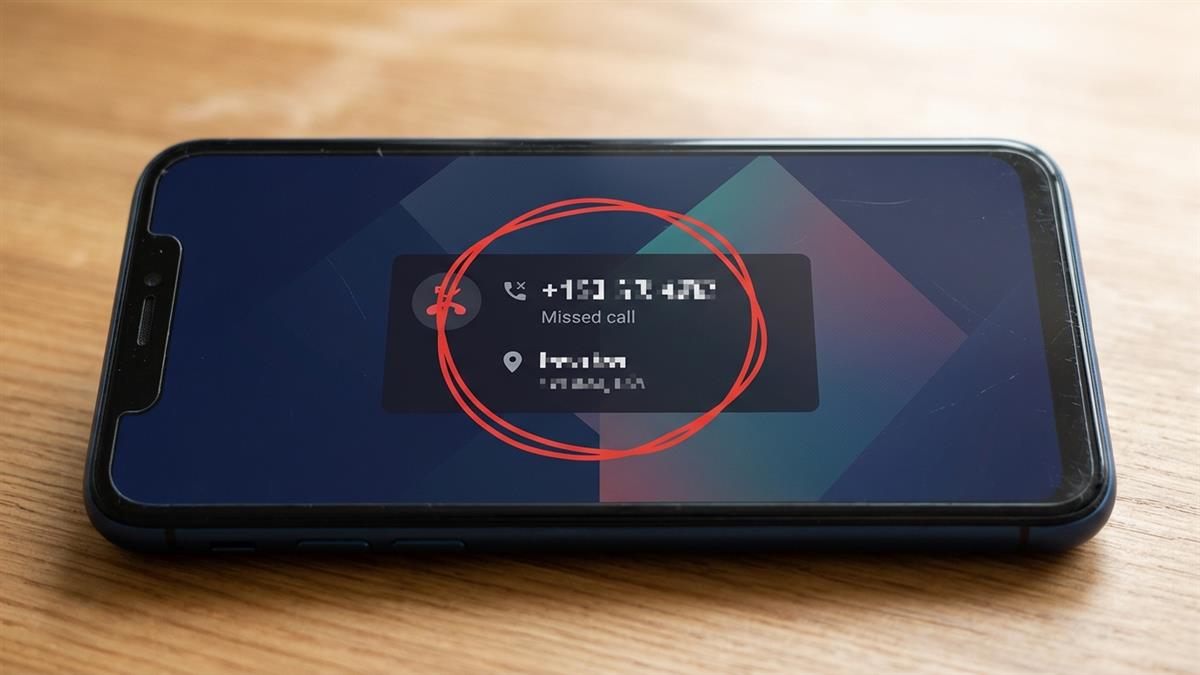
 Check a number before you call back
You can also read the latest community reports, browse UK area codes or open the protection guides.