 Scam protection
Privacy & safety
Guide
Can someone trace you from a phone call in the UK?
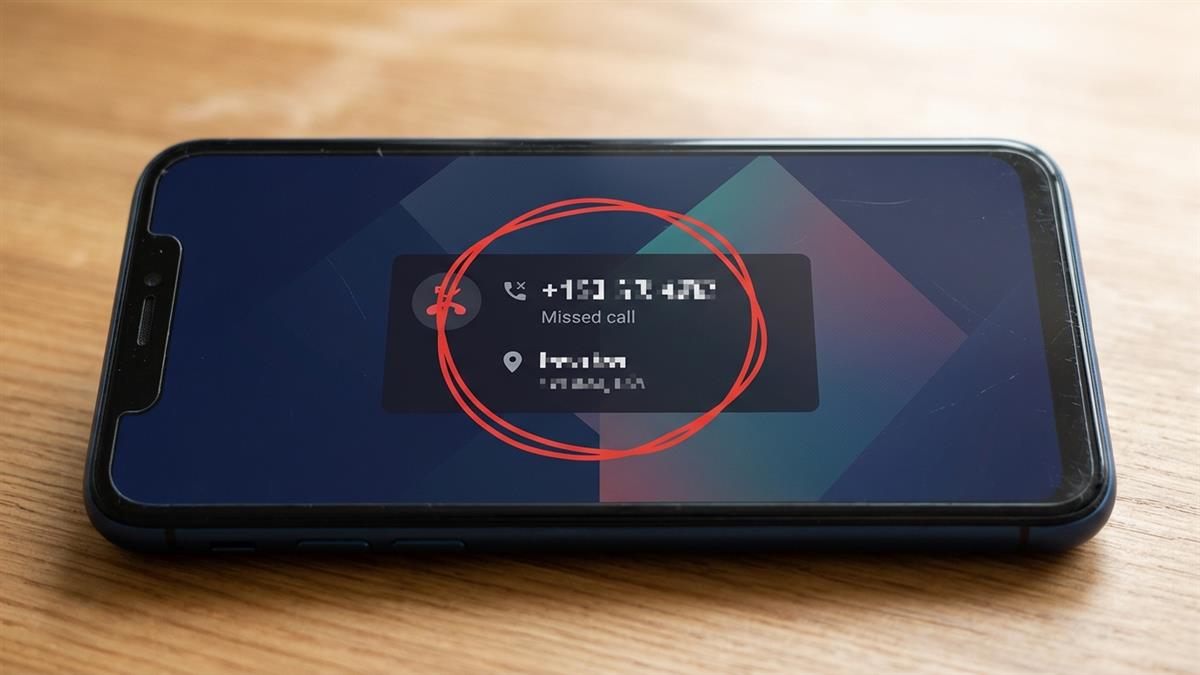
The short answer is no: an ordinary person on the other end of a normal UK phone call cannot trace your location, your address or your real identity from the call itself. They may see the number you present, and they may already know things about you from other sources, but the phone network does not hand them a map. The longer answer is more nuanced, because networks, emergency services and lawful investigations can see much more than a caller can.
This guide separates what a caller sees, what the network holds, and what you can do to keep your number and location private.
What a caller actually sees
When you call someone, the network can present a calling line identity (CLI) - the number shown on the recipient's screen. What they see depends on how your line is configured:
- Your number - the default on most mobiles and many landlines.
- Withheld or anonymous - if you dial 141 first or set caller ID to hidden.
- A different number - if a business uses a switchboard or a spoofing service (legitimate or otherwise).
- International format or network name - your phone may add a country code or carrier label.
CLI is a presentation layer. It can be correct, withheld or deliberately falsified. A scammer can spoof a number that looks like your bank, a government department or a local business. The screen is a clue, not a certificate.
What the network knows
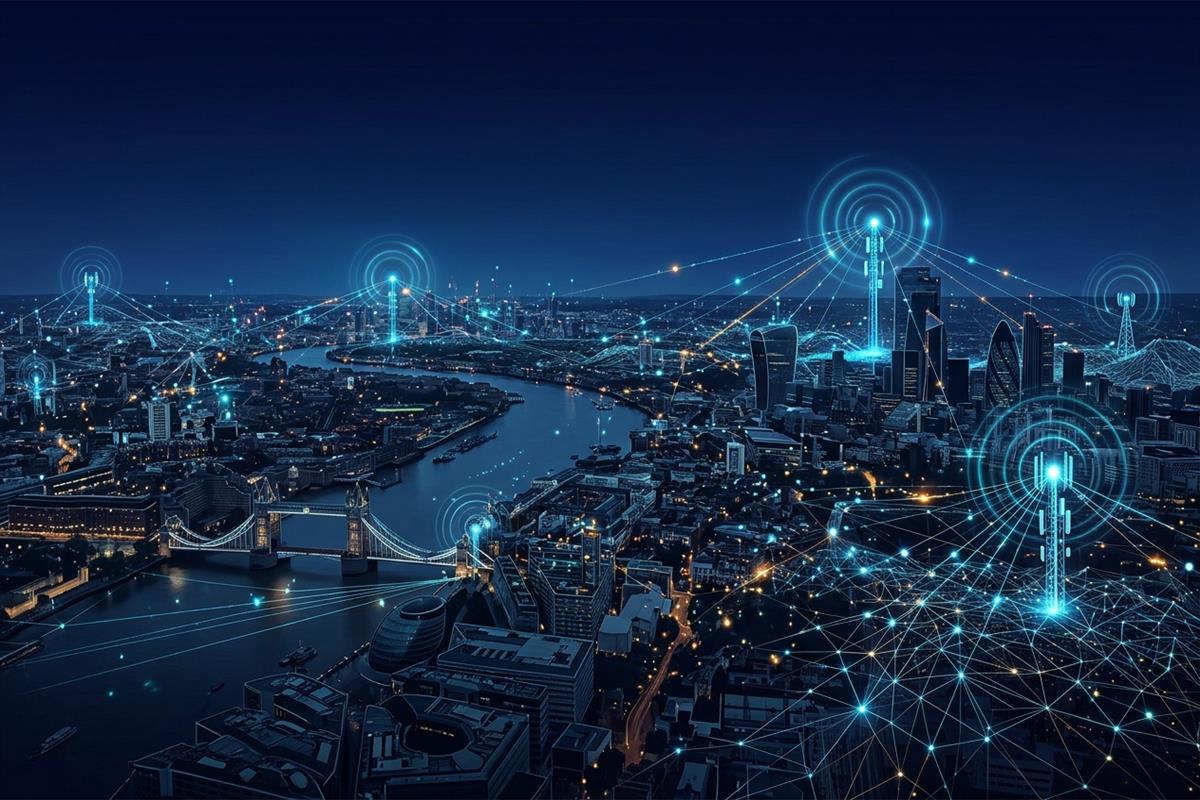
Behind the call, the network holds more: which cell towers carried the connection, the time and duration of the call, the numbers dialled and the account details of the subscriber. This is operational data, not public information. It is used for billing, routing, fraud prevention and emergency response.
Mobile networks can estimate a device's location from cell tower data and, on newer networks, more precise positioning. That data is not available to another customer. It is protected by telecoms law and data protection rules, and access is limited to specific purposes.
Who can actually trace a call
- Emergency services. When you dial 999 or 112, the network passes location information to the emergency operator so help can be sent. This works even if caller ID is withheld.
- Police and law enforcement. Subject to UK law and the appropriate legal process, investigators can obtain call records and location data from networks.
- Regulators and authorised bodies. Ofcom and other regulators can require information for specific investigations.
- The network itself. Operators can see their own network data, but they do not disclose another customer's details to a member of the public.
What about private investigators or "phone tracing" apps? A legitimate investigator may use lawful methods, but they cannot simply dial a number and receive your location. Apps that claim to trace a live call are usually selling a different service, such as a reverse lookup of public data, or are outright scams.
1471, 141 and withheld numbers
Dialling 1471 tells you the number of the last caller if it was not withheld. It does not identify the person behind the number, and it does not reveal their location. Dialling 141 before a call hides your number from the recipient on most networks. Some networks also let you set permanent caller ID preferences in your account settings.
Withheld numbers are not invisible to the network. Emergency calls still pass location data, and lawful investigations can still obtain records. The withholding is a presentation choice, not an anonymity guarantee.
Scams that claim to trace you
Fraudsters often use the idea of tracing to create fear. A caller may claim to be from the police, a bank's fraud team or a government department and say your number has been linked to a crime, or that they can see your location. The goal is to make you panic, stay on the line and share information.
Genuine organisations do not cold-call you to demand immediate action, and they do not ask you to read out a one-time passcode. If a caller claims to be tracing you, hang up and verify through an official number you find yourself. Our guide to phone scam tactics covers the common scripts.
Never confirm a code
A one-time passcode is the last line of defence for many accounts. No bank, police force or utility company needs you to read it aloud to prove who you are.
How to protect your number and location
- Withhold your number when appropriate. Dial 141 before a call, or set caller ID to hidden in your phone settings.
- Be careful with public posts. Do not publish your mobile number on social media, marketplace listings or public documents.
- Use a second number for transactions. A virtual or work number can keep your personal line out of databases.
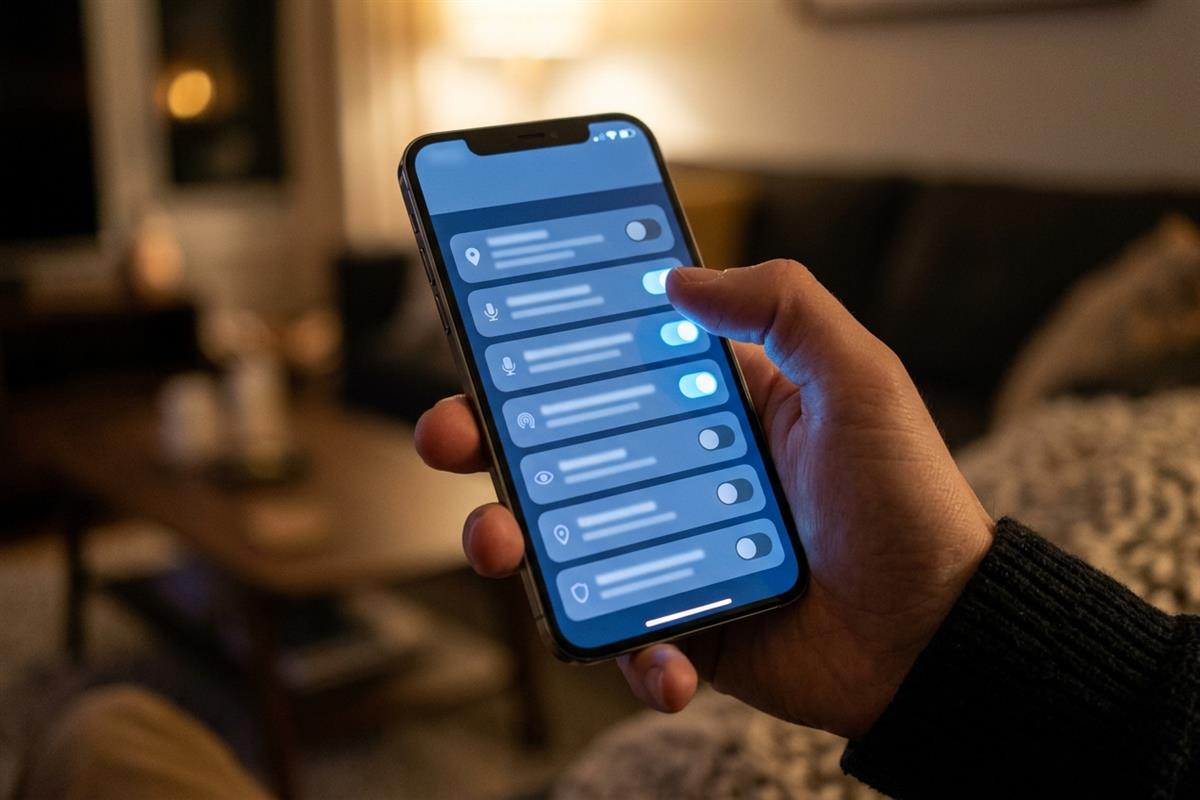
- Check privacy settings. Turn off "show my number" features in messaging apps where they are not needed.
- Do not engage with tracing claims. Treat them as a red flag, not a reason to share more.
- Keep your account secure. Use a PIN or password with your mobile provider so a SIM swap cannot be arranged in your name.
If you are being harassed or threatened
If someone is using calls to harass or threaten you, keep a log of the number, date, time and what was said. Report the behaviour to your network provider, and contact the police if you feel unsafe or the calls include threats. The ICO and Ofcom also provide routes for nuisance-call complaints, although they do not investigate individual identity in the way the police can.
Do not confront the caller or try to trace them yourself. A community lookup can tell you what other people have experienced, but it cannot identify a person, and confronting a suspected scammer can escalate the situation.
The bottom line
A normal caller cannot trace you from a phone call. They see the number you present, and they may know more from other sources, but the network's location and account data is not available to them. The people who can see more - emergency services, police and regulators - operate under legal controls, not a consumer app.
If a number keeps calling, check it with the UK number lookup, read the blocking guide, and report anything fraudulent to Action Fraud. Privacy is not about being untraceable; it is about controlling what you share and knowing who can legitimately ask for more.
Before you act on a call: check the number in our
UK number lookup, never share a one-time code with a caller,
and use the protection guides if you are unsure.
 Frequently asked questions
Can a normal caller find my location from a phone call?
No. A caller sees the calling line identity you present, not your address or live location. Only networks, emergency services and lawful investigations can go further.
Does dialling 1471 reveal a caller?
It reveals the last caller's number if it was not withheld, but it does not identify the person or their location.
Can I hide my number when calling?
Yes. Dial 141 before the number, or set caller ID to hidden in your phone settings. Emergency calls still pass location information to the emergency services.
Can the police trace a phone call?
Yes, subject to UK law and the appropriate legal process. Networks hold call records and can disclose them to authorised bodies.
 Related articles
All
 Check a number before you call back
You can also read the latest community reports, browse UK area codes or open the protection guides.