Geography and Location
Farasan Island is the largest island in the Farasan Archipelago, located in the Red Sea about 40 to 50 kilometers offshore from the city of Jazan in southwestern Saudi Arabia. The archipelago consists of several coral islands, with Farasan Al-Kabir being the most prominent. It is characterized by its uplifted coral reefs and diverse marine ecosystem.
Farasan Island on the map
Historical Significance
The history of Farasan Island is deeply intertwined with trade and the pearling industry. Historically, the islands served as a key location for pearl diving, a vital economic activity in the Red Sea for centuries. The islands also hold archaeological significance, with traces of Ottoman influence, including the historic Ottoman Fort and the Al-Najdi Mosque, which showcases intricate architectural craftsmanship.
Biodiversity and Protection
Recognized as a protected marine area, Farasan Island is a haven for biodiversity. It is a critical habitat for various species, including:
- Marine Life: Rich coral reefs, dugongs, and multiple species of sea turtles.
- Avian Species: The island is a major nesting ground for the endangered Arabian gazelle and various migratory birds.
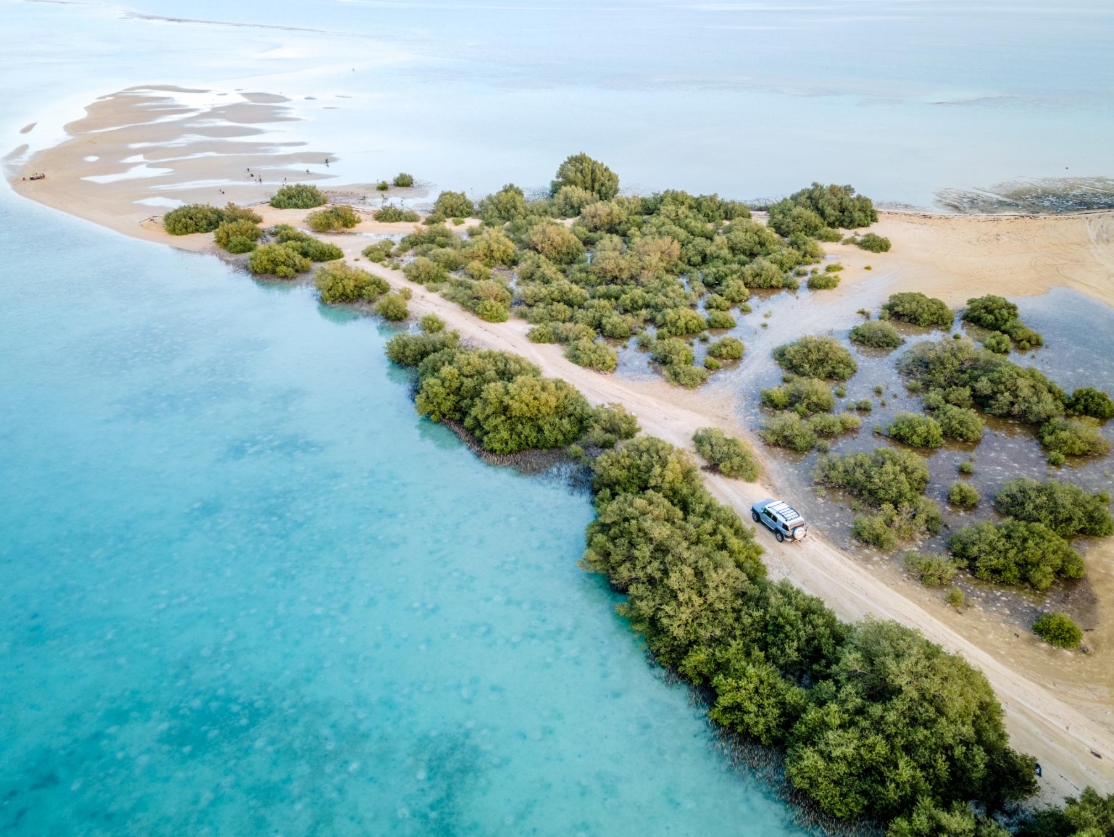
- Ecosystem: Mangrove forests that protect the coastline and support local fisheries.
Visiting Farasan
Today, the island is increasingly recognized for its ecotourism potential. Visitors travel to Farasan to experience its pristine, untouched beaches, engage in snorkeling and diving to explore the vibrant underwater world, and learn about the local culture and heritage of the Jazan region. Due to its status as a protected reserve, sustainable tourism practices are highly encouraged to maintain the delicate balance of this unique ecosystem.
Floating like a verdant jewel in the vast, turquoise expanse of the southern Red Sea, the Farasan Islands archipelago stands as one of Saudi Arabia’s most enchanting and untouched destinations. Located approximately 40 kilometers off the coast of Jazan, this group of over 80 islands offers a sanctuary where time seems to slow down, allowing the natural world and deep history to take center stage. For the intrepid traveler, a journey to Farasan is not merely a vacation but an immersion into a unique ecosystem and a culture that has remained steadfast against the tides of modernization.
The Journey Across the Waters
The adventure begins long before stepping foot on the main island. The ferry ride from the port of Jazan serves as the gateway to this hidden world. As the mainland fades into a distant hazy line, the waters beneath the vessel transform from the deep, dark navy of the open sea into an impossibly clear, crystalline turquoise. This transition marks the entry into the Farasan Marine Sanctuary, a protected area that boasts some of the healthiest and most vibrant coral reefs in the region. The anticipation builds with every nautical mile, as travelers prepare to leave behind the frenetic pace of urban life in exchange for the soothing, rhythmic sound of waves lapping against limestone shores.
A History Carved in Coral and Stone
Farasan Island is far more than just a beach destination; it is a repository of rich maritime history. In the early 20th century, the island was a thriving hub of the regional pearl trade. Wealthy merchants built magnificent houses, many of which still stand today, constructed from the very coral and limestone that make up the island's unique geology. Walking through the older sections of the town, one can see the intricate craftsmanship of these structures, where the white, weathered stone serves as a testament to the island's prosperous past. The Ottoman Fort, perched strategically to overlook the sea, offers a glimpse into the military history of the region, providing a panoramic vantage point that highlights the island's historical importance as a defensive outpost.
The Village of Al-Qassar
Among the most evocative locations on the island is the ancient village of Al-Qassar. This historic site is a living museum, where stone pathways wind between centuries-old dwellings that have been lovingly preserved. The architecture here is distinctive, utilizing the natural materials found on the island to blend seamlessly with the environment. Visiting Al-Qassar allows travelers to step back in time and imagine the lives of the date farmers and pearl divers who once called this place home. The village is often the highlight of any trip to Farasan, offering an authentic cultural experience that connects the modern visitor with the resilience and ingenuity of the island’s ancestors.
Biodiversity and the Rare Farasan Gazelle
The islands are a biodiversity hotspot, recognized for their unique flora and fauna that have evolved in isolation. Perhaps the most famous resident of the archipelago is the Farasan Gazelle. These small, graceful creatures roam the islands, having adapted to the arid environment. Seeing them in the wild, against the backdrop of the rugged, sun-drenched landscape, is a rare privilege for nature enthusiasts. The islands are also a haven for migratory birds, making them an ideal location for birdwatching. The diverse ecosystems—ranging from dense mangrove forests that act as vital nurseries for marine life to expansive, sun-bleached beaches—ensure that the island is teeming with ecological wonders waiting to be discovered.
The Underwater Wonderland
For those who prefer to look beneath the surface, the waters surrounding Farasan are nothing short of spectacular. The diving and snorkeling conditions here are world-class, rivaling the best sites in the Red Sea. Because the area is a protected sanctuary, the coral reefs have remained largely untouched by large-scale commercial activity. Divers can explore walls of vibrant soft corals, encounter majestic manta rays gliding through the currents, and swim alongside schools of tropical fish that are seemingly unafraid of human visitors. The sheer visibility of the water, often reaching thirty meters, allows for an immersive experience that feels like swimming in an aquarium, where every crevice of the reef holds a new discovery.
Local Culture and Culinary Delights
The hospitality of the Farasan people is legendary, rooted in the traditions of maritime communities. A visit to the island is incomplete without sampling the local cuisine, which is heavily influenced by the bounty of the sea. Fresh fish, caught daily by local fishermen, is prepared using traditional methods that highlight the natural flavors of the catch. Dining on local seafood, often served with fragrant rice and spices, offers a true taste of the island's identity. The local markets, while modest, are vibrant places where one can purchase locally made crafts and interact with residents who are eager to share stories of the island's folklore and maritime legends.
Preserving a Fragile Paradise
As tourism to the region continues to grow, there is an increasing emphasis on sustainable travel. The fragile ecosystems of Farasan Island require respect and careful stewardship. Visitors are encouraged to leave only footprints and take only memories, ensuring that the coral reefs, the gazelles, and the historic structures remain preserved for future generations. The balance between allowing the world to witness this hidden gem and protecting its integrity is the central challenge for the region. By choosing to visit with a mindset of conservation and respect, travelers can contribute to the preservation of this enchanting archipelago, ensuring that Farasan Island remains a peaceful, beautiful, and authentic sanctuary for years to come.